
Vonna Views:
Field notes from a life still unfolding — reflections from LaVonna Denise, adventures with
Von Adi, and lessons from Ms. Rad. Written as they come, not as they’re planned.
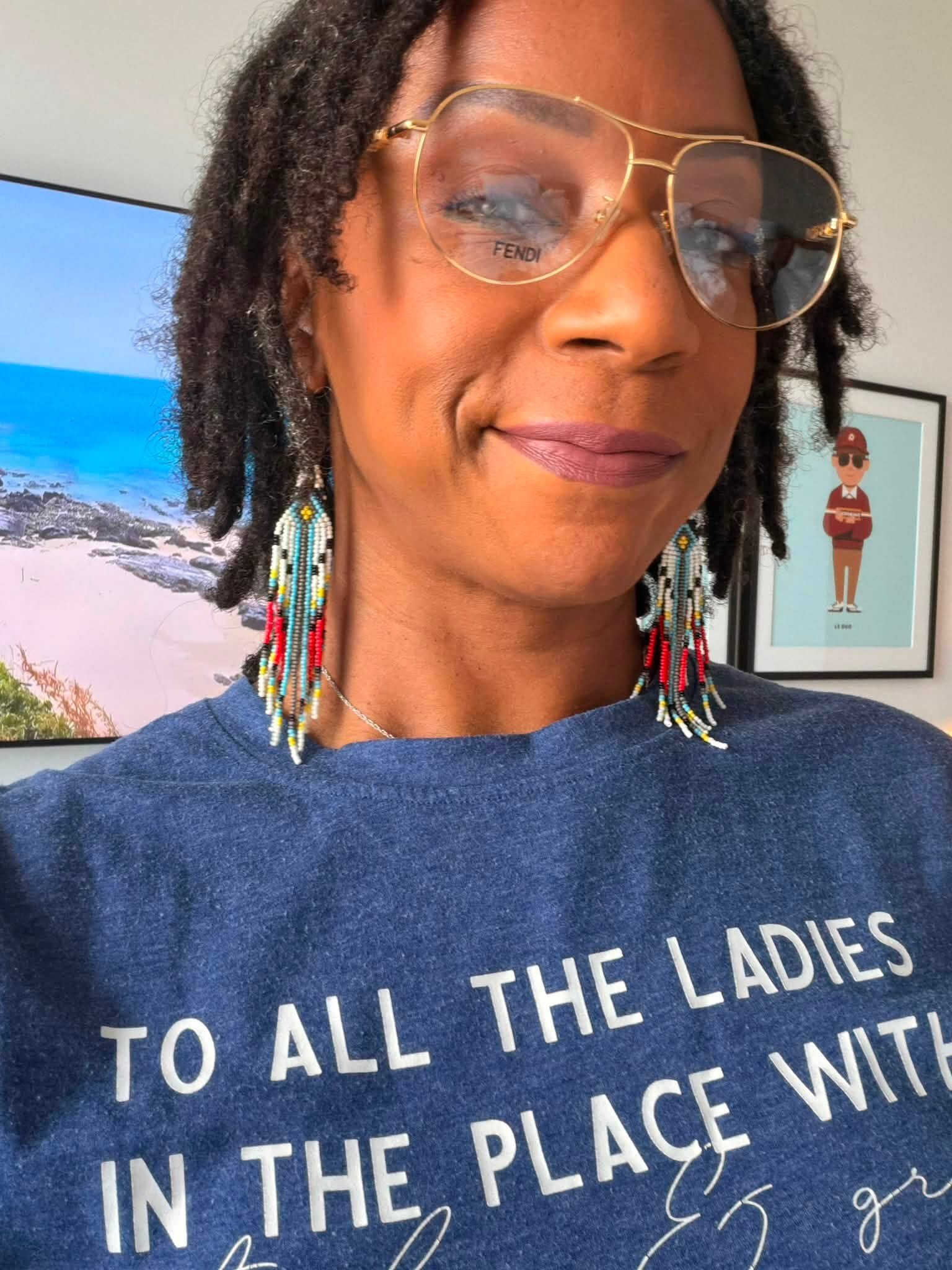
LaVonna Denise
On starting over at 49
It’s not about going back. It’s about going deeper — what forty-nine taught me that
twenty-nine never could.
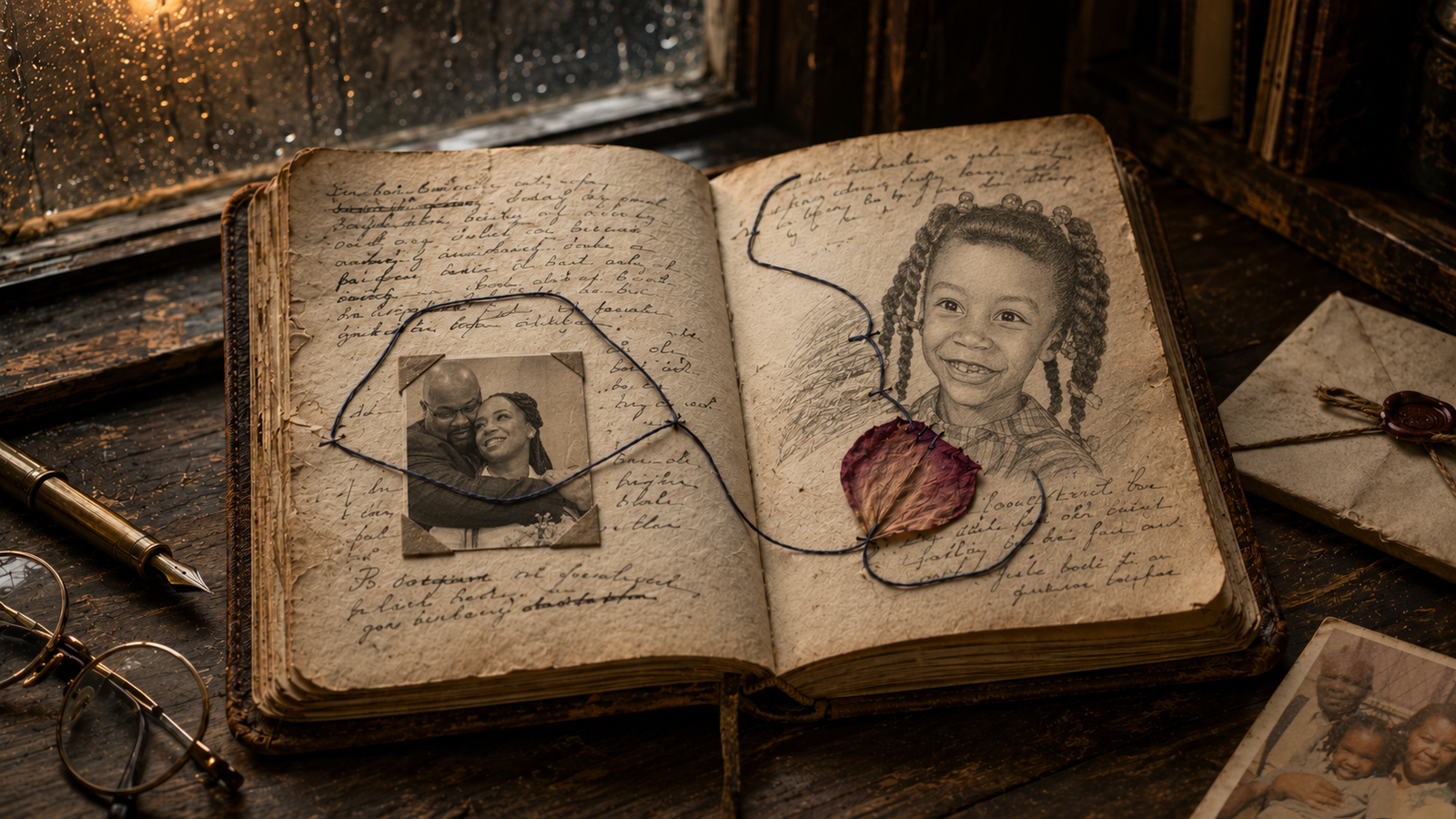
Von Adi
What the Desert Taught Me About Resilience
Living in the desert taught me that resilience is not the same thing as toughness. The desert is often mistaken for empty, but it is full of life that has learned how to adapt. In Phoenix, I raised children, built a life, started over more than once, and learned that survival is often less about force and more about conservation. The plants wait for rain. The animals move when the temperatures change. Nothing wastes energy trying to be what it is not. The desert taught me that resilience looks a lot like paying attention.
For years I believed resilience meant pushing harder. Now I understand it as something quieter. It is waking up and tending to what matters. It is finding shade when you need shade, storing strength when you have it, and trusting that growth can happen even in difficult conditions. The desert didn’t teach me how to endure. It taught me how to adapt without losing myself.
LaVonna Denise
What Osiris Taught Me About Grief
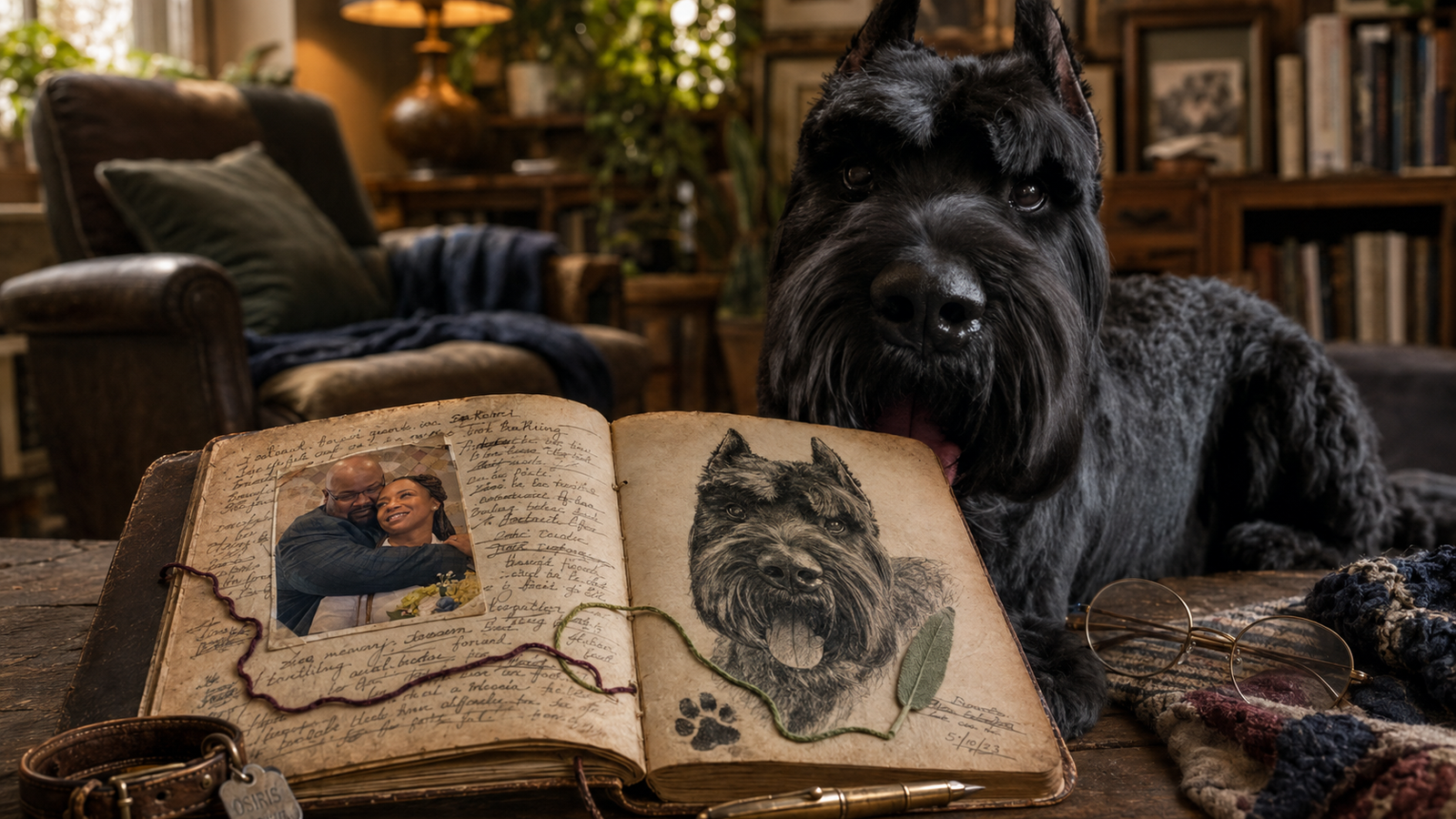
When my husband died, our dog Osiris became my responsibility, but he was always Bret’s dog first. What surprised me was how much Osiris taught me about grief. He taught me that grief doesn’t live only in the big moments. It lives in the sounds, the scents, and the routines. I would leave the television on because those were the sounds he was used to hearing. If I pulled clothes from the closet and Bret’s scent became noticeable again, Osiris would wander into the room and linger there as if he had found an old friend.
Even now, if Osiris sees Bret’s truck, there is still a burst of excitement, a brief anticipation that the person he loves might step around the corner. Watching him helped me understand something important: grief is evidence of connection. The longing doesn’t prove someone is gone. It proves they were here. And sometimes the smallest reminders carry the strongest proof that a life was shared.
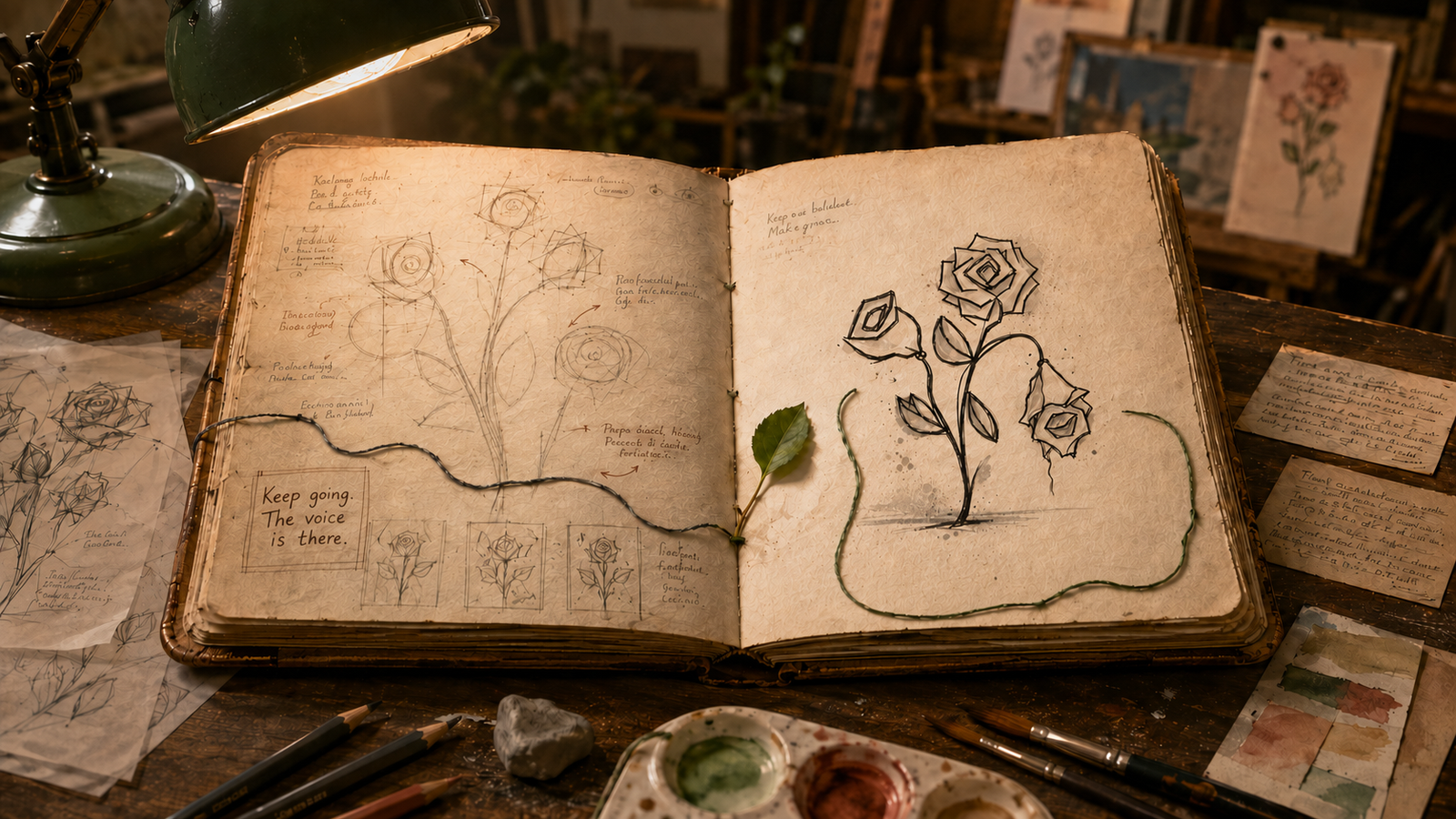
Ms. Rad
What My First Critique Taught Me
In the spring of 2022, I left a 16-year career in insurance and stepped into education.
Before that, I had worked across many corners of the insurance industry. Auto claims. Homeowners claims. Aviation claims. Life insurance. Disability insurance. Long-term care. At one point, I earned my insurance licenses in 30 days.
Then life took a turn.
I passed the CBEST and the CSET on my first attempt and began working in classrooms on an emergency credential during the height of COVID.
On my very first day as a substitute teacher, I wore what I considered my best outfit.
It was teal from head to toe.
Teal pants. Teal blouse. Teal jacket. Teal shoes. Even a teal clutch.
I wasn’t trying to make a statement. I wasn’t trying to impress anyone. I was just trying to show up as the best version of myself in a completely new career.
After posting a picture, someone joked: “Pretty fancy for a sub.”
I laughed, but the comment stuck with me. Not because it was a loving roast. Because it made me think.
The truth is, I wasn’t dressed for the job I had that day. I was dressed for whatever opportunity might eventually come my way.
At the time, I wasn’t chasing administration. I wasn’t dreaming about leadership roles. I was simply hoping to survive the day as a substitute teacher in a large urban school district.
But over time, one opportunity led to another. Years later, my final role at that school was serving as Acting Principal of a charter school and being part of the team that helped the school regain its charter.
I never planned that path. But I did show up prepared for it.
That little comment taught me something I didn’t understand at the time: sometimes people notice your readiness before you do. And sometimes what looks like being “extra” is really just honoring the possibilities you can’t see yet.
So yes. I was pretty fancy for a substitute teacher. And maybe that’s exactly what I needed to be.

Von Adi
Von Adi in the Place to Be
I can still remember the moment I realized Oakland was not the center of the universe. As a child, that discovery felt enormous. Since then, life has taken me from the Bay Area to Sacramento, Arizona, and places I once only imagined. Travel became more than movement. It became a way of understanding who I am when I am far from everything familiar. I wanted my children to see another country before they left my care, and I wanted to see the world alongside Brett. Together, we dreamed of a travel series called From the Bay to Away, a reminder that where we start does not limit where we can go.
That dream continues. Every new place teaches me something about myself because strangers do not know my history, my titles, or my story. They only know the person standing in front of them. Travel has shown me that identity is both rooted and expandable. I will always be a girl from the Bay, but every place I visit reveals another layer of who I can become. In that way, Von Adi doesn’t leave home when she goes away. She carries it with her.
Ms. Rad
What My Students Taught Me About Being Human
When my husband died, I received hundreds of letters from the students at my school. Some followed the prompts given to them by their teachers, but many stepped outside the lines and spoke from the heart. They shared their own stories of losing grandparents, aunts, uncles, and other loved ones. Some offered advice. Some drew pictures. Some wrote thoughtful messages, while others simply said, “I’m sorry your husband died.” What mattered wasn’t perfection. What mattered was that they reached for me.
Those letters reminded me that grief may be personal, but it is never carried alone. My loss happened to me, but it also happened around me. My students were learning how to support someone who was hurting, and I was learning how to accept that support from them. Together, we were practicing what it means to be human: showing up for one another when life becomes difficult. Their kindness didn’t remove my grief, but it helped me stand up, walk back into the building, and continue doing the work we all needed me to do.

LaVonna Denise
All About Luna
This is my grand-kitty, Luna. Over the years, many of us in the family have described Luna with words like crazy, extra, or even dangerous. Her mom is always quick to remind us: “She’s not dangerous. She’s misunderstood.”
Luna has a story. From what I remember, before my son and daughter-in-love adopted her, she had been returned by previous owners more than once. Many of us suspect that something happened to her early in life that changed the way she experiences affection and trust. We will probably never know exactly what happened.
What we do know is that Luna’s boundaries are different. Depending on the day, she may accept a few pets and then suddenly let you know she’s had enough. That message might come in the form of a bite, a scratch, or a quick retreat.
I’ve had cats since I was nineteen years old, and over the years I’ve learned to pay attention to their tells. A cat’s ears, whiskers, tail, posture, and movement can all tell you something about what they’re experiencing. Luna’s signals are there too. They’re just shorter. Faster. Easier to miss.
You cannot interact with Luna the way you interact with every other cat. You cannot assume that what worked before will work with her. You have to learn Luna. You have to pay attention. You have to meet her where she is.
As she’s gotten older, I’ve noticed that Luna comes to me more often for affection than she once did. But even now, I still have to pay attention for the moment when she’s done receiving it.
Luna has taught me something about people. I think many of us are like Luna. One person may be completely comfortable in a crowded stadium filled with cheering fans and loud noise. Another person may find that same experience overwhelming. The person who thrives in a crowd may struggle when trapped in a small elevator. The person who speaks effortlessly on a stage may find a one-on-one conversation exhausting.
Our experiences shape us. What feels safe to one person may not feel safe to another. What feels normal to one person may feel overwhelming to someone else.
The lesson Luna continues to teach me is that respect often begins with observation. Instead of assuming what someone needs, we can learn who they are. Instead of expecting them to respond the way others have, we can pay attention to their signals.
The beautiful thing about Luna is that she eventually found people willing to do exactly that. My son and his fiancée met her where she was. They learned her language. They respected her boundaries. They made room for her story. And in return, Luna found a home.
Sometimes being misunderstood isn’t the problem. Sometimes the problem is that nobody has taken the time to understand.